
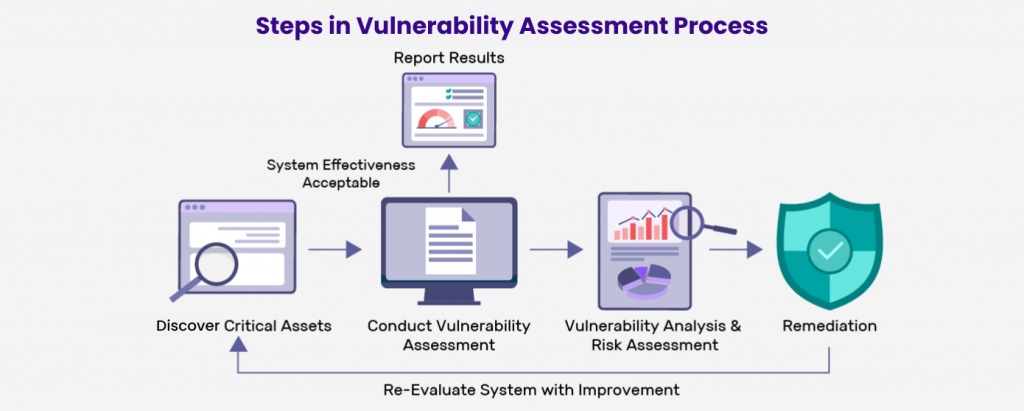
Vulnerability assessment is the disciplined process of finding, classifying, and prioritizing security weaknesses across your environment so you can fix them before attackers exploit them. Debugging Bug LTD helps organizations run these assessments with the right tools, then close the resulting gaps through structured remediation and continuous improvement.
What Is Vulnerability Assessment?
A vulnerability assessment systematically scans and analyzes your systems, networks, applications, cloud workloads, and devices to identify misconfigurations, missing patches, and insecure components. The output is a prioritized list of vulnerabilities with clear remediation guidance, often enriched with risk scores and business context.
Unlike a one‑off penetration test, vulnerability assessment is designed to be recurring and often continuous, giving you regular visibility into your evolving attack surface.
Why Vulnerability Assessment Matters
Modern environments change fast—new servers, containers, SaaS apps, and code deployments constantly introduce fresh weaknesses. Vulnerability assessment keeps you ahead of this curve by surfacing issues early and focusing effort where it most reduces risk.
Key benefits:
Early detection of exploitable weaknesses (unpatched CVEs, exposed services, weak configurations) before threat actors find them.

Risk‑based prioritization using severity scores, exploitability, asset value, and exposure, so teams fix the most dangerous issues first.

Stronger compliance posture by mapping findings to frameworks and standards such as NIST, CIS, ISO 27001, PCI DSS, and SOC 2.
Types of Vulnerability Assessment Tools We Use
Vulnerability assessment relies on a mix of automated tools, each focused on different layers of your stack. While the exact toolset is tailored per client, this is the general landscape Debugging Bug LTD works with.
Network‑Based Scanners
Network scanners probe IP ranges, devices, and exposed services to identify open ports, weak protocols, and unpatched services.
Typical tools and capabilities:
Enterprise‑grade scanners such as Nessus or similar products for broad coverage of servers, network gear, and perimeter assets.

Integration with asset discovery tools to ensure “shadow IT” systems are also scanned.
Host‑Based Scanners
Host‑based scanners run on or against individual systems to inspect installed software, missing patches, local configurations, and permissions.
They help identify:
OS and application patch gaps

Insecure local services and configurations

Privilege escalation paths and weak access controls
Web Application and API Scanners (DAST)
Web and API scanners emulate an attacker’s perspective to find flaws such as SQL injection, cross‑site scripting, insecure direct object references, and misconfigured headers.
Common capabilities:
Crawling and attacking web apps from the outside (DAST) to find issues missed by simple configuration checks.

Specialized testing for APIs and microservices, checking authentication, authorization, and input validation.
Configuration and Cloud Security Scanners
Cloud and configuration scanners evaluate infrastructure‑as‑code, cloud accounts, and container platforms against secure baselines.
They focus on:
Misconfigured storage buckets, security groups, IAM roles, and keys

Unsafe defaults in Kubernetes, Docker, and virtualization stacks

Drift from CIS/NIST/benchmarks for cloud and OS configurations
Vulnerability Management Platforms
Modern tools are more than simple scanners—they act as vulnerability management and risk engines.
They provide:
Centralized dashboards for all findings across network, host, and app layers

Risk‑based scoring and grouping of vulnerabilities by asset and business impact

Workflow integration with ticketing systems and patching tools
What “Good” Vulnerability Assessment Looks Like
The best vulnerability assessments combine thorough tooling with strong methodology and reporting.
Key elements:
Clear scope and objectives (what’s in scope, why you’re scanning, and how success is measured).

Combination of automated scanning and human validation to weed out false positives and uncover nuanced issues.

Credentialed scans where appropriate, revealing deeper configuration and privilege problems than unauthenticated scans alone.

Risk‑based prioritization that blends CVSS scores, exploitability, exposure, and business impact.

Clear, actionable reporting with executive summaries, technical detail, remediation steps, and SLAs.

Retesting to verify that fixes worked and didn’t introduce new issues.

Ongoing cadence—weekly/daily for high‑exposure assets, monthly or quarterly for lower‑risk systems, plus after major changes or incidents.
How Debugging Bug LTD Helps Close Security Gaps
Debugging Bug LTD doesn’t stop at finding vulnerabilities; we partner with organizations to turn findings into lasting risk reduction.
- Assess: Build a Clear Picture of Your Exposure
We start by:
Defining scope and business context: which systems, data, and services matter most and why.

Maintaining or creating a living asset inventory (on‑prem, cloud, endpoints, IoT), including criticality tags and ownership.

Running tailored vulnerability assessments using appropriate tools (network, host, web app, cloud) in both authenticated and unauthenticated modes.
This gives you a comprehensive view of your current risk landscape—not just isolated scanner outputs.
- Align: Prioritize and Design Remediation
Next, we help you turn raw findings into an actionable, prioritized plan.
We:
Group vulnerabilities by asset, business function, and exposure (internet‑facing vs. internal) to highlight what truly matters.

Use risk‑based scoring methods (for example, CVSS plus exploitability and asset value) to rank issues.

Map findings to relevant frameworks and compliance controls (NIST, CIS, ISO 27001, PCI DSS, SOC 2), showing exactly where your controls fail and what needs to change.

Design remediation workflows with SLAs that assign owners, deadlines, and verification steps for each category of vulnerability.
This structured approach helps you avoid “patch everything everywhere” chaos and instead focus effort where risk reduction is highest.
- Act: Fix Issues and Validate Improvements
Debugging Bug LTD then supports you through the actual closure of gaps.
We can:
Work with IT and development teams to implement patches, configuration changes, code fixes, and architecture improvements based on the findings.

Integrate vulnerability remediation into existing workflows—ticketing systems, CI/CD pipelines, change management—so fixes are consistent and auditable.

Run targeted retesting to confirm that high‑risk vulnerabilities are truly closed and that new weaknesses haven’t been introduced.

Establish KPIs such as “time to remediate high‑risk vulnerabilities,” “percentage of systems fully patched,” and “repeat finding rate,” then review them regularly with stakeholders.- Embed: Make Vulnerability Management a Habit
Finally, we help you move from periodic clean‑ups to continuous vulnerability management.
This includes:
Setting the right assessment cadence based on asset exposure and business risk (for example, continuous or weekly for perimeter systems, monthly or quarterly for internal systems).

Integrating findings into broader security operations—SIEM, asset management, patching, and threat intelligence—so vulnerability data feeds your overall risk picture.

Running regular reviews and learning sessions (post‑assessment retrospectives, tabletop exercises) to refine processes and reduce repeat issues.
By combining strong tools with clear process and hands‑on remediation support, Debugging Bug LTD helps organizations turn vulnerability assessment from a noisy report into a continuous, business‑aligned program that steadily closes security gaps and strengthens overall resilience.